

Advanced Robotics: Transforming Industrial Automation for the Future


Introduction to Advanced Robotics
Advanced robotics is revolutionizing industrial automation, offering intelligent solutions to enhance productivity, efficiency, and precision. By integrating cutting-edge technologies such as artificial intelligence (AI), machine learning (ML), computer vision, and automation, robots are now capable of performing complex tasks with remarkable accuracy. Industries worldwide are increasingly adopting these innovations to streamline processes, reduce costs, and improve safety.
In this comprehensive guide, we will explore the critical aspects of advanced robotics, their applications in industrial automation, and how businesses can leverage this transformative technology to gain a competitive edge.
The Core Components of Advanced Robotics
Artificial Intelligence and Machine Learning
AI and ML empower robots with cognitive abilities, enabling them to analyze data, recognize patterns, and adapt to dynamic environments. These technologies allow robots to make autonomous decisions, optimize workflows, and learn from experience, significantly reducing human intervention in industrial processes.
Advanced Sensors and Perception Systems
State-of-the-art sensors, including LiDAR, infrared, ultrasonic, and 3D cameras, provide robots with enhanced perception. These sensors help robots navigate complex environments, detect obstacles, and execute tasks with precision. The combination of AI-driven perception and real-time data processing allows robots to operate efficiently in unpredictable settings.
Autonomous Navigation and Mobility
Autonomous mobile robots (AMRs) and automated guided vehicles (AGVs) are transforming warehouse management, logistics, and supply chains. Equipped with advanced navigation algorithms, these robots can move independently, avoid collisions, and optimize transportation routes to enhance operational efficiency.
Human-Robot Collaboration (Cobots)
Collaborative robots, or cobots, are designed to work alongside humans, enhancing productivity while ensuring workplace safety. Unlike traditional robots, cobots are equipped with sensitive sensors and AI-driven control systems, allowing them to interact seamlessly with human operators. These robots are revolutionizing assembly lines, packaging, and material handling in various industries.
Cloud Computing and IoT Integration
The integration of robotics with the Internet of Things (IoT) and cloud computing enables real-time data sharing and remote monitoring. Cloud-based robotic solutions facilitate predictive maintenance, performance analytics, and seamless communication between robotic systems, enhancing overall efficiency and reliability.
Applications of Advanced Robotics in Industrial Automation
1. Manufacturing and Production
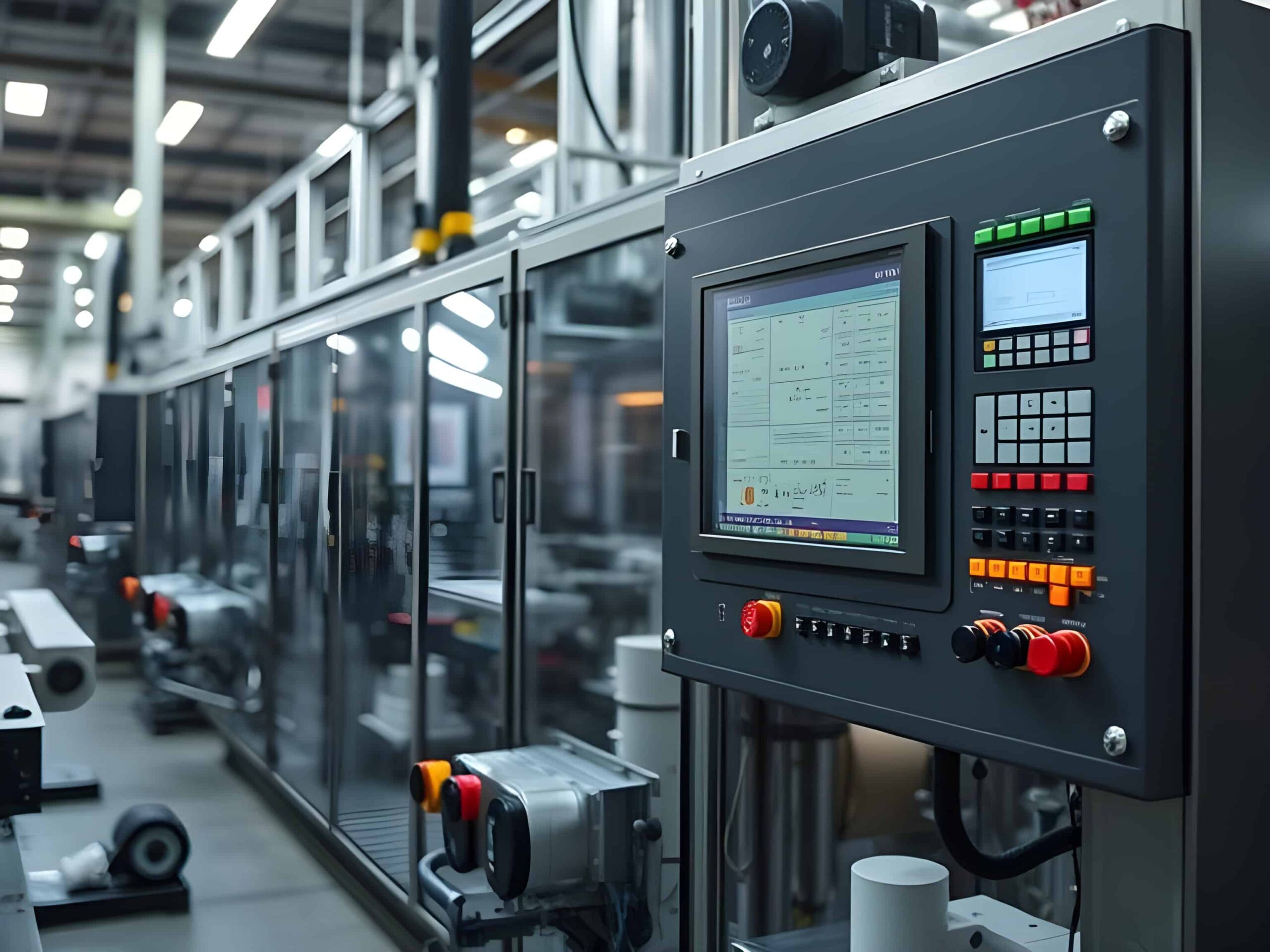
Robots are transforming manufacturing by automating repetitive tasks such as assembly, welding, and quality control. With AI-driven precision and high-speed operation, robots minimize errors, reduce production costs, and ensure consistent product quality. Smart robotic arms, equipped with computer vision, can detect defects in real-time, significantly improving the efficiency of manufacturing processes.
2. Warehouse Automation and Logistics
Warehouses and distribution centers are leveraging robotic automation to enhance inventory management, order fulfillment, and material handling. AMRs and AGVs improve efficiency by autonomously transporting goods, reducing manual labor, and optimizing space utilization. Robotic picking systems and automated storage solutions further streamline warehouse operations, ensuring fast and accurate order processing.
3. Automotive Industry
The automotive industry relies on robots for assembling vehicles, painting, welding, and installing components with unmatched precision. Advanced robotics ensure high-quality production while reducing labor-intensive tasks. AI-powered inspection robots are also used for quality assurance, identifying defects that may not be visible to the human eye.
4. Agriculture and Smart Farming
Robots are revolutionizing agriculture by automating planting, harvesting, and crop monitoring. AI-driven drones and robotic tractors improve efficiency and sustainability in farming, reducing the reliance on manual labor. Precision agriculture, powered by robotic technology, enhances crop yield and minimizes waste by optimizing resource usage.
5. Healthcare and Medical Robotics
The healthcare sector is embracing robotic solutions for surgical procedures, diagnostics, and patient care. Surgical robots, such as the Da Vinci system, assist surgeons in performing minimally invasive procedures with enhanced precision. Autonomous robots are also used in hospitals for disinfection, drug delivery, and patient monitoring.
6. Construction and Infrastructure
Construction robots are streamlining building processes, reducing labor costs, and improving safety on construction sites. Robotic bricklayers, 3D printing robots, and autonomous excavation machines accelerate construction timelines while ensuring structural accuracy and durability.
Advantages of Implementing Advanced Robotics in Industrial Automation
Increased Productivity and Efficiency
Automation accelerates industrial processes, reducing downtime and increasing overall productivity. Robots can operate continuously without fatigue, ensuring consistent performance and output quality.
Enhanced Precision and Accuracy
Robotic systems equipped with AI and computer vision execute tasks with remarkable accuracy, reducing defects and errors in production. This precision is particularly crucial in industries such as electronics, pharmaceuticals, and aerospace.
Improved Workplace Safety
By automating hazardous tasks, robots minimize human exposure to dangerous environments. Industrial robots handle tasks that involve extreme temperatures, toxic chemicals, and heavy machinery, ensuring a safer workplace for employees.
Cost Savings and ROI
While the initial investment in robotics may be significant, the long-term benefits include reduced labor costs, lower error rates, and enhanced efficiency. Businesses that implement robotics experience a rapid return on investment (ROI) through increased operational efficiency and reduced expenses.
Scalability and Flexibility
Robotic automation allows businesses to scale operations effortlessly. Unlike manual labor, robots can adapt to changing production demands, enabling companies to meet market fluctuations without additional hiring.
Future Trends in Advanced Robotics
AI-Driven Autonomous Robots
As AI continues to evolve, robots will become increasingly autonomous, capable of self-learning and decision-making. This advancement will enhance robotics applications in industries such as logistics, retail, and smart cities.
5G-Powered Robotics
The integration of 5G technology will enable faster data transmission and seamless communication between robots and cloud networks. This connectivity will enhance real-time decision-making, remote operation, and industrial automation efficiency.
Sustainable Robotics and Green Automation
Future robotic solutions will prioritize sustainability by incorporating energy-efficient components and eco-friendly materials. Green automation aims to reduce carbon footprints, promoting environmentally responsible industrial practices.
Robotics-as-a-Service (RaaS)
RaaS is an emerging business model that allows companies to access robotic solutions through subscription-based services. This model reduces upfront costs and makes automation more accessible to small and medium-sized enterprises (SMEs).
Conclusion: Embracing Robotics for a Smarter Future
The rise of advanced robotics is transforming industrial automation, offering unparalleled benefits in efficiency, precision, and safety. Businesses that embrace robotic solutions will gain a competitive edge in an increasingly digital world. Investing in automation today ensures a future-proof strategy, paving the way for smarter, more agile, and resilient industrial operations.
Are you ready to integrate robotics into your business? Contact us today to explore innovative automation solutions tailored to your industry’s needs!